Travel / Culture / Formula 1
The Sepang
Race Weekend
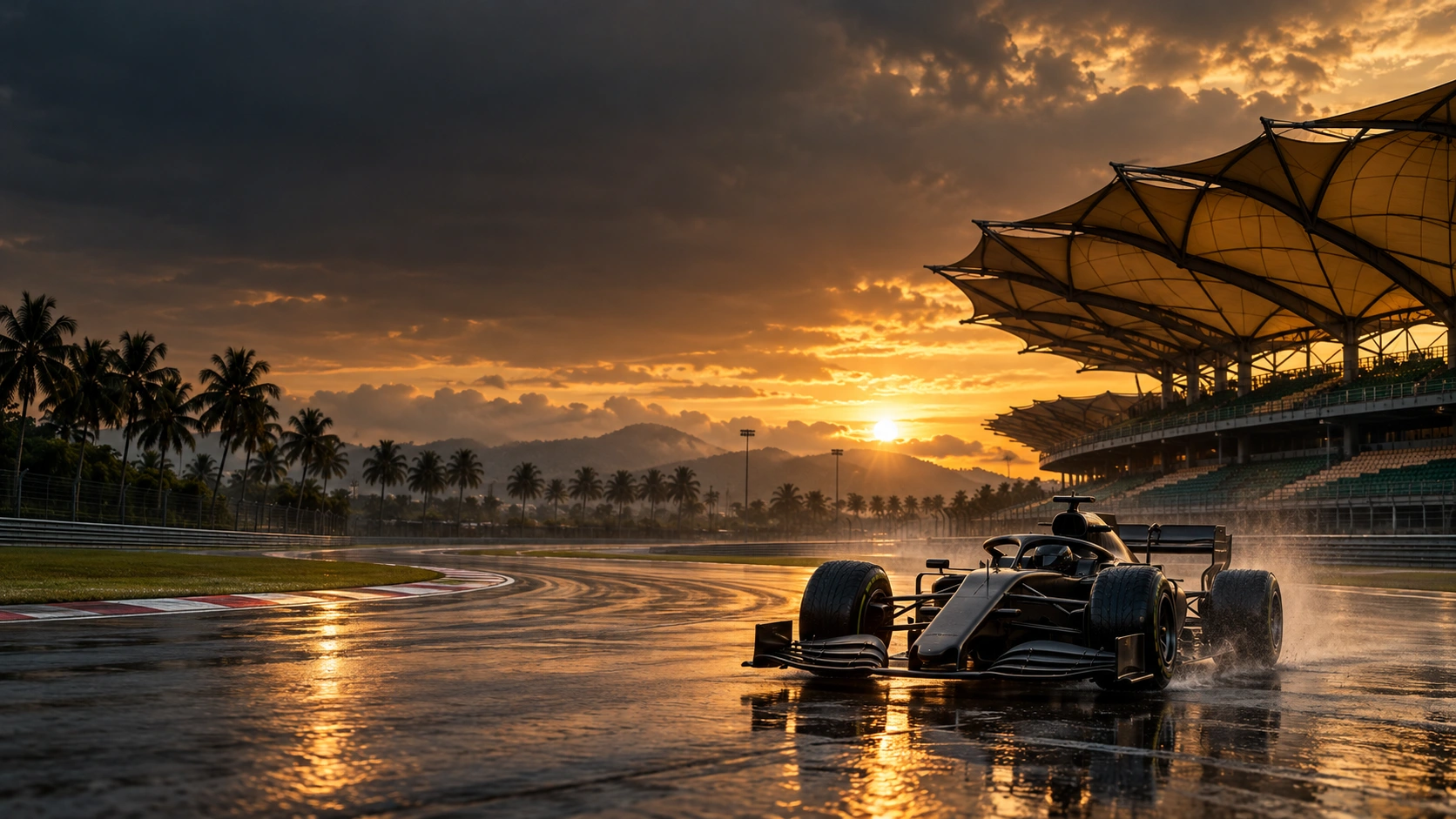
Formula 1 returns to one of its defining modern circuits. The race is at Sepang. The weekend belongs to Kuala Lumpur.
Sepang by day. Kuala Lumpur by night.
There are easier Formula 1 weekends than Sepang.
There are circuits closer to their host cities, climates that demand less preparation, and itineraries that allow a leisurely lunch between sessions. Sepang offers something better: a race weekend with a sense of occasion.
In October 2026, Formula 1 returns to Sepang International Circuit for the first time since 2017, bringing Grand Prix racing back to a track built for speed, overtaking and weather that can change the shape of a Sunday in minutes.
Officially, the event is the Formula 1 Gulf Air Bahrain Grand Prix in Malaysia. The name is Bahrain's. The circuit is not. In practice, the appeal is simpler. Sepang is back.
And while the circuit sits beside Kuala Lumpur International Airport rather than in the centre of the capital, resisting the temptation to build the entire trip around Sepang is what turns the race into a proper weekend.
The better formula is straightforward:
Sepang by day. Kuala Lumpur by night.
The circuit
Sepang arrived on the Formula 1 calendar in 1999 and immediately felt different. The 5.543-kilometre circuit is wide, fast and designed to let cars race rather than simply circulate. Long straights create heavy braking opportunities; the opening sequence encourages first-lap movement; and the flowing middle sector rewards watching an F1 car change direction at speed.
Then there is the climate.
Malaysia in October means heat, humidity and a genuine possibility of rain. A blue sky in the morning is not a guarantee of a dry afternoon, and a tropical shower can transform both the track and the spectator experience quickly.
That uncertainty has always suited Sepang. It also means choosing where to watch is about more than the clearest sightline. Shelter and exposure are part of the decision.
Where to watch
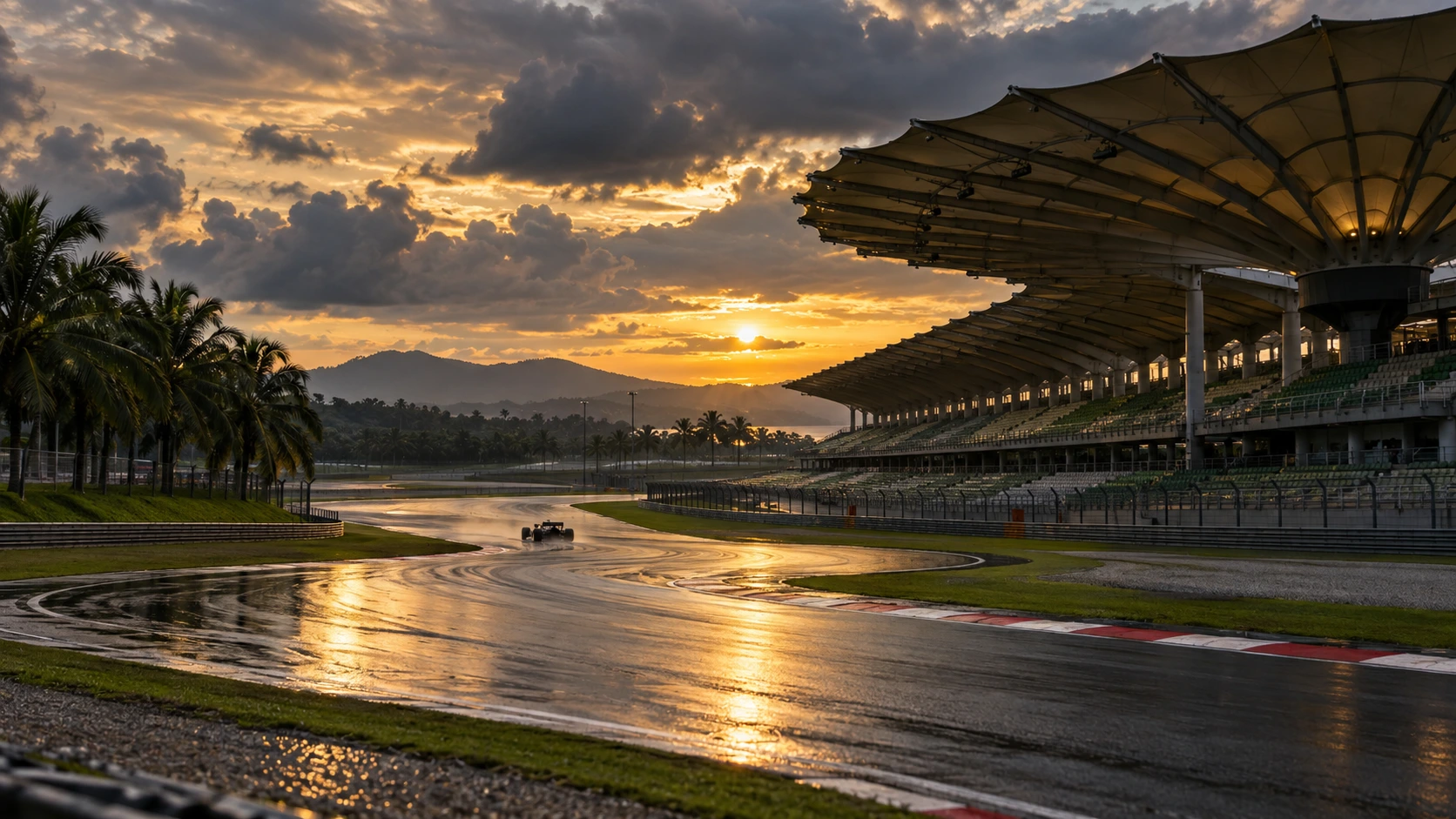
Main Grandstand — the complete weekend. For a first visit, this remains the easiest recommendation to understand. Its position around the start-finish area puts grid preparation, pit stops, team activity and the ceremony surrounding the race directly in front of you, while sections facing the other side also bring the long back straight and final corner into play. Much of the grandstand benefits from Sepang's distinctive canopy, which matters when both intense sun and sudden rain are realistic possibilities.
K1 — for the racing. Cars arrive at Turn 1 at the end of the main straight under hard braking before feeding almost immediately into Turn 2. It is one of the circuit's natural pressure points, particularly on the opening lap. K1 trades some of the pit-lane theatre for a better chance of seeing drivers attack, defend and make mistakes.
F Grandstand — watch the cars work. Turns 7 and 8 are less about one dramatic braking zone and more about watching modern Formula 1 machinery transition through direction changes. It is a good choice for someone interested in the cars themselves rather than simply where they overtake, and the covered seating is a meaningful advantage in Sepang.
The Hillstands — atmosphere over polish. B, C and K2 offer a more open version of the circuit experience, with broader views and less enclosure. The trade-off is exposure. At Sepang, uncovered viewing is not simply a more relaxed alternative; heat and rain become part of the decision.
How far should you upgrade?
Sepang's premium options change the weekend in much the same way they do elsewhere in Formula 1: not by making the racing itself better, but by changing how close you get to the machinery around it.
The F1 Paddock Club sits above the team garages along the Main Straight, pairing one of the circuit's strongest locations with hospitality, pit-lane access and appearances from people inside the sport. F1 Experiences also offers packages that move beyond conventional grandstand access, including team-branded hospitality and higher-tier experiences built around paddock and podium access.
The useful question is not whether those packages are more luxurious. They are. The useful question is what spending more changes.
At Sepang, premium hospitality buys proximity to the working side of Formula 1, climate-controlled comfort and considerably less friction over the course of a long, humid weekend. If access is part of the reason you are travelling, that can justify the upgrade. If the race itself is the centrepiece, an excellent grandstand remains entirely capable of delivering the weekend.
Pronte's rule here is simple: pay for access when access is what you actually want.
Getting to Sepang without losing Kuala Lumpur
This is the logistical decision that shapes everything else.
Sepang International Circuit sits near Kuala Lumpur International Airport, roughly 50 to 60 kilometres from central Kuala Lumpur depending on where you start. It is not a circuit where you should assume you will casually return to your hotel between sessions.
The airport rail network gives the weekend a useful backbone. KLIA Ekspres connects KL Sentral with the airport in roughly half an hour, while KLIA Transit serves intermediate stops including Salak Tinggi. Final Formula 1-specific shuttle, parking and transfer arrangements should still be checked against official Sepang guidance closer to the event.
The more useful decision now is where you want the balance between circuit and city to sit.
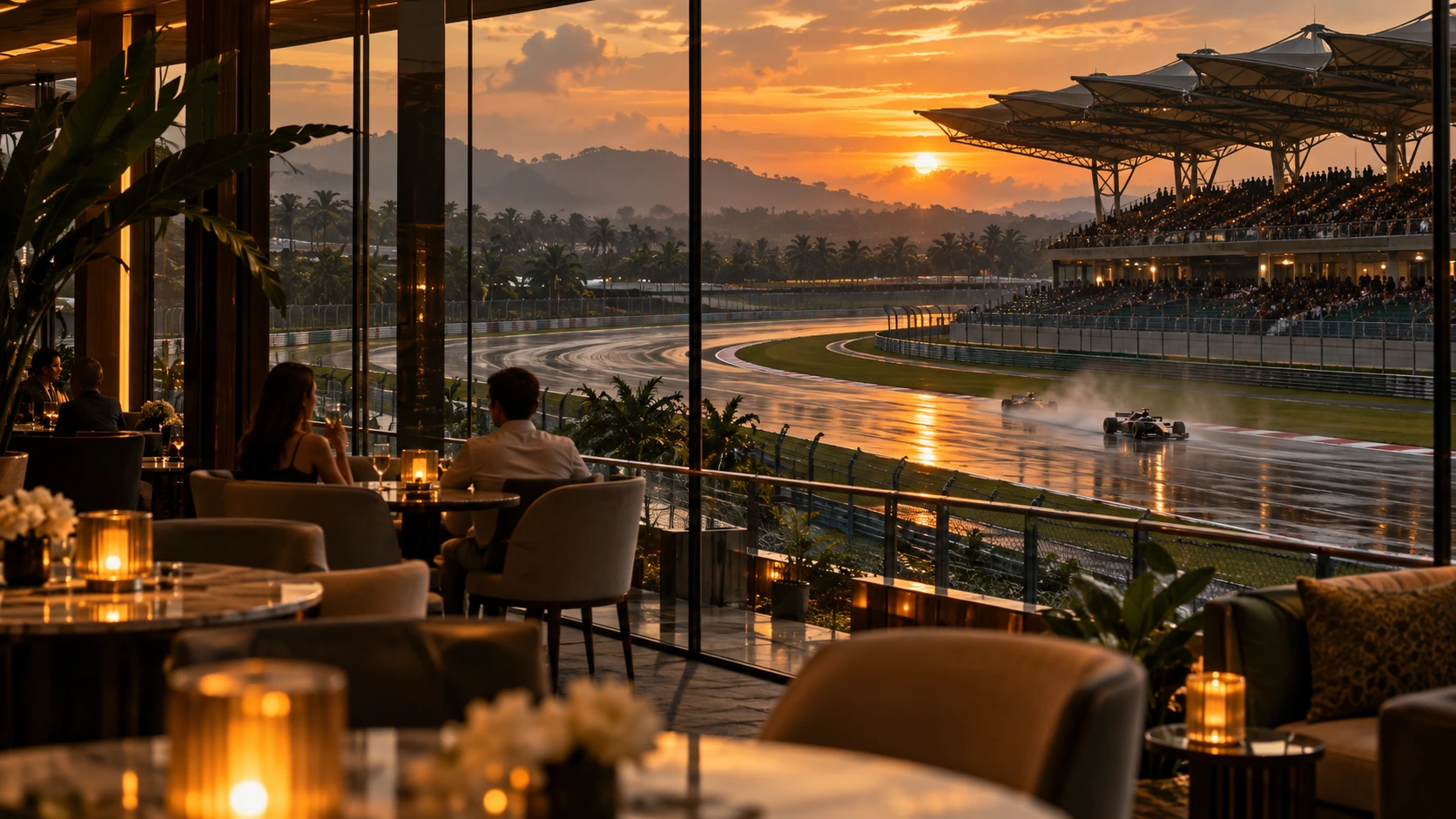
For a short motorsport-focused trip, staying near Sepang may be correct. For the full Pronte weekend, we would stay in the city.
The weekend rhythm
Sepang works best when you stop trying to squeeze Kuala Lumpur into the gaps between sessions.
Friday leaves room for an unhurried breakfast and perhaps a short morning in the city before practice begins around midday. Once you reach Sepang, stay there. FP1 and FP2 divide the afternoon cleanly enough that heading back into Kuala Lumpur between them adds effort without improving the day.
Saturday follows much the same rhythm: breakfast, Sepang, FP3 and qualifying. Afterward comes the first real decision of the weekend. Axwell is currently scheduled to perform at the circuit that evening, with the show ticketed separately from a grandstand seat. Stay and the Grand Prix becomes an all-day event. Leave and Kuala Lumpur offers the alternative: shower, change, dinner, skyline, drinks.
Sunday belongs to Formula 1. The Drivers' Parade is currently scheduled for early afternoon, with the Grand Prix beginning at 3 p.m. Get to Sepang with time to spare, walk the venue, have lunch and let the track build toward the start. After the chequered flag, Martin Garrix is currently scheduled to perform at the circuit, also on a separate ticket. Readers who stay get a natural closing event; readers returning to KL get one last dinner in the city.
There is no need to make the weekend busier than that.
After the circuit
Kuala Lumpur becomes particularly good after dark.
The heat softens, towers begin to glow and the city shifts naturally from shopping and business into dinner and nightlife. For a short race weekend, two areas matter most.
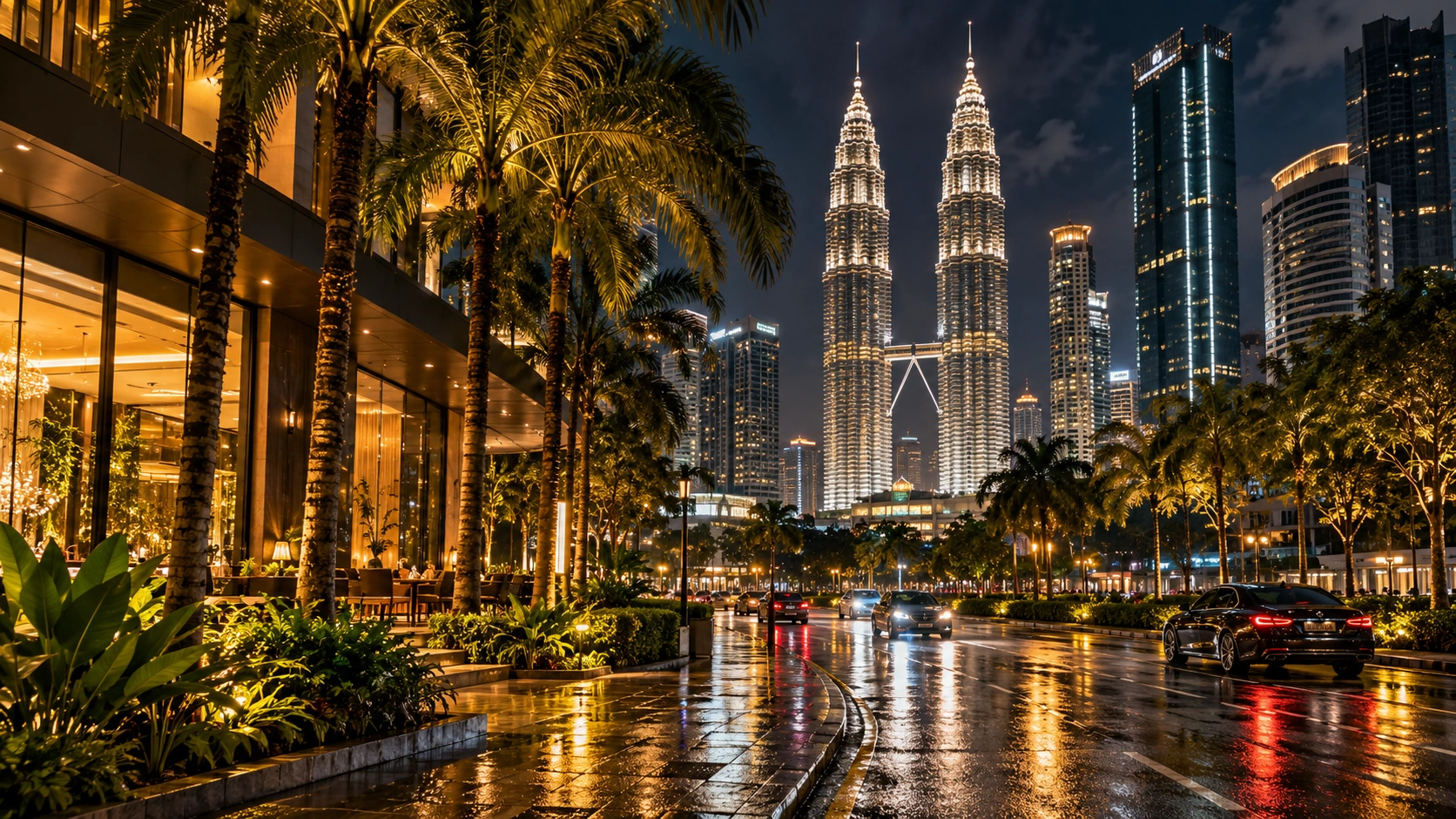
KLCC is the polished evening: the Petronas Twin Towers, major hotels, restaurants, Suria KLCC and the park all sit within the same orbit. Come back from Sepang, change, have a drink somewhere above the city and let the pace drop.
Bukit Bintang is the livelier alternative. Pavilion, Starhill, restaurants, bars and Jalan Alor sit within the same broader district, making it possible to move through the evening without turning every stop into another car journey. You can begin the night dressed for dinner and finish it eating something from a stall under fluorescent lights.
The food deserves the same restraint as the itinerary.
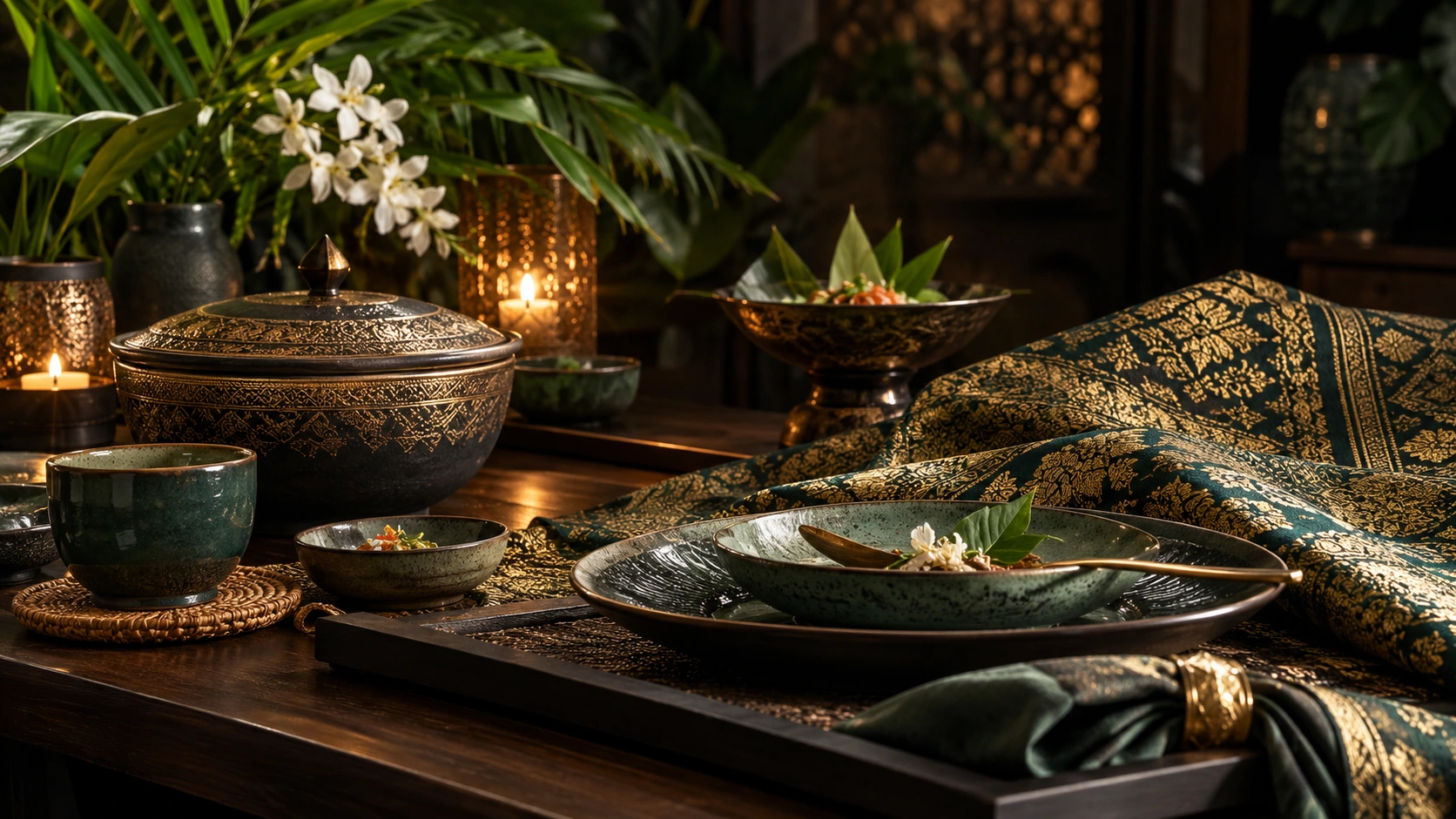
Dewakan, on the 48th floor of Naza Tower in KLCC, is the serious dinner: Malaysia's only two-Michelin-starred restaurant, built around Malaysian ingredients and ideas in a contemporary format. If one meal is meant to become part of the trip itself, this is where we would start. Book Friday or Saturday; Dewakan is closed on Sunday.
Beta offers another modern Malaysian perspective, with a Michelin-starred menu structured around the country's regions and culinary identity without making the entire evening feel ceremonial.
And then there is Jalan Alor. Go when reservations and tasting menus sound exhausting. Walk, look, order what seems good and allow Kuala Lumpur to be less curated for a few hours.
Luxury travel becomes dull when every meal is trying to prove something.
If your flights leave room for one extra morning, head toward the older centre of Kuala Lumpur. Central Market offers an easy introduction to Malaysian craft, with batik, textiles, art and locally made goods near Petaling Street and the historic city. Batik and songket deserve better than being reduced to decorative motifs; seeing them in context gives Malaysia: What to Wear more weight than a borrowed print.
Pronte Picks
Best overall grandstand: Main Grandstand. The strongest all-round combination of race theatre, pit activity, broad viewing and weather protection.
Best for the racing: K1. Choose it for Turn 1 braking, first-lap pressure and a better chance of seeing drivers attack.
Best practical base: KL Sentral. The clearest compromise between staying in Kuala Lumpur and making the circuit journey easier.
Best city-first base: KLCC / Golden Triangle. Longer race-day travel, but the most complete version of the weekend once the circuit closes.
Best access: Paddock Club. Not because the seat is simply better, but because paddock proximity, pit-lane access and hospitality change what parts of Formula 1 you can experience.
Ticket inclusions, transport arrangements, concert details and availability can change as the event approaches. Check the official Sepang, Formula 1 and F1 Experiences information for the latest details before booking.
A few practical notes
The distance between Kuala Lumpur and Sepang is the one thing not to underestimate. Build the day around travelling to the circuit once, staying there for the sessions you want to see and returning to the city afterward.
Weather deserves the same respect. Heat and humidity are part of the baseline, and rain is a genuine possibility. Covered seating is therefore not simply a comfort upgrade, particularly for readers planning to spend all three days at the circuit.
Final Formula 1-specific shuttle, parking and transfer arrangements should be checked once Sepang publishes its event guidance. Until then, the airport rail network is useful context, not a substitute for the final spectator plan.
The best approach is not to over-engineer it. Choose the part of the circuit you genuinely want to see, spend on hospitality only if access matters to you, and leave Kuala Lumpur enough room to become part of the trip.
Sepang does not need Kuala Lumpur to make it a great Formula 1 circuit. Kuala Lumpur does not need Formula 1 to justify a weekend.
Putting the two together is what makes October interesting.
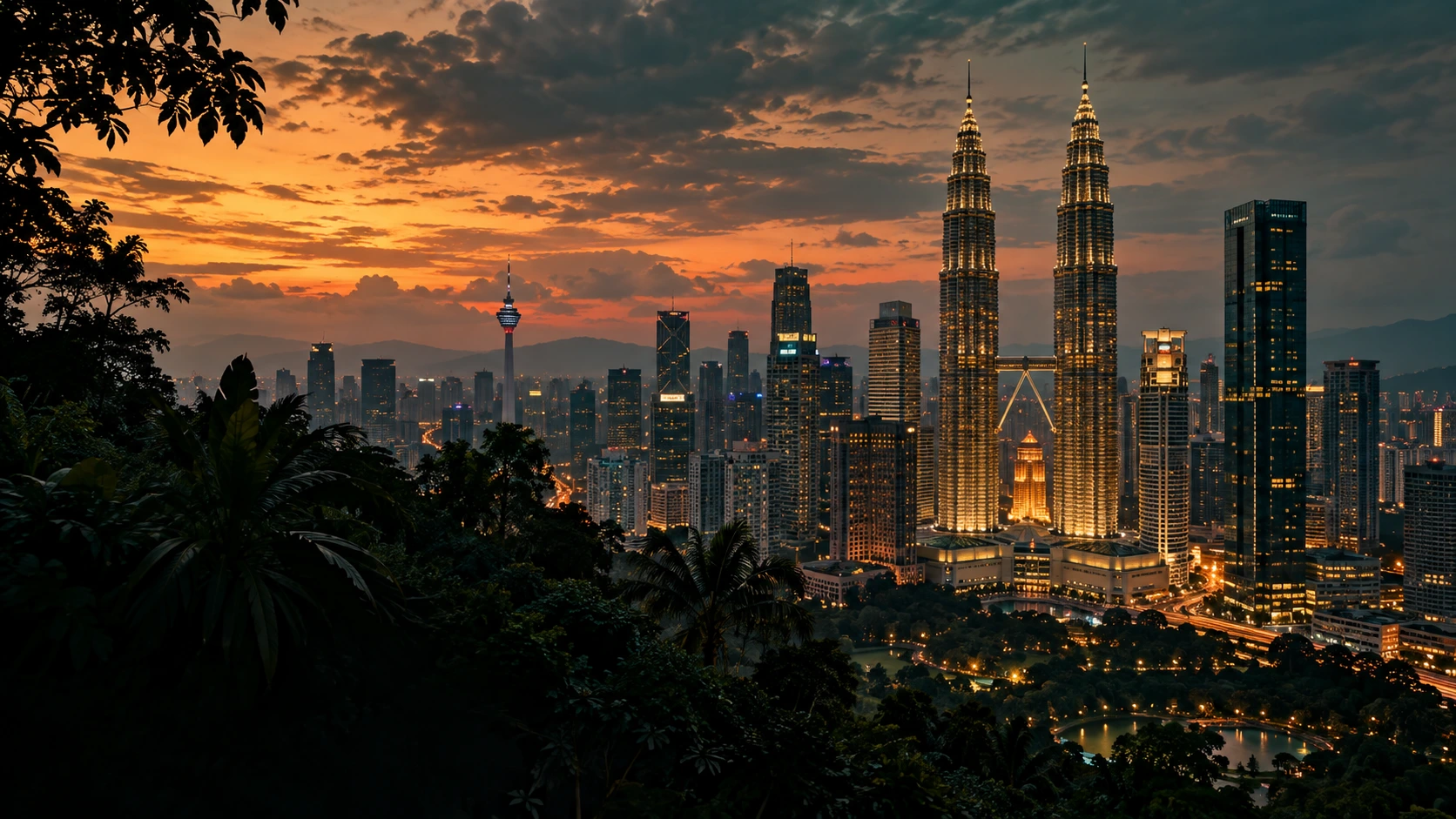
Sepang is the destination on the ticket. Kuala Lumpur is the destination around it.← Explore the Sepang destination